Book Factory Café · the first chapter, free

I Have No Name, But Men Call Me Moby Dick

by Roger Daniel Grubb
Press Listen at the bottom of the screen to hear it read aloud. The page follows the narrator.

This Was Never Just About a Whale

For nearly two hundred years, the name Moby Dick has lingered in our collective mind. It’s been called a tale of revenge, a fable of obsession, an American epic. And yet, most of what people remember is a whale… and a man who couldn’t let it go.

But that’s not the whole story. It never was.

This book is not a retelling of Moby Dick. It is a restoration.

Told in the voices of the ones who were there—Ahab, Ishmael, Queequeg, Starbuck, and yes, the whale itself—this is the version that was never written. The one where the characters aren’t symbols. They’re men. And mammals. And witnesses.

The truth is, Moby Dick was never just about a whale. It was about what men do when faced with what they can’t control. It was about the limits of reason. The cost of pride. And the silence that swallows us when we pretend we understand what we’re actually too afraid to face.

Humans often mistake their ignorance for insight. They call their beliefs truth. Their fear becomes prophecy. Their need to dominate—to name, to own, to kill—masquerades as destiny.

But beneath them swam something older. Something vast. Something that remembers everything.

The whale in this story is not a villain. He is not a metaphor. He is not an empty vessel for a man’s rage.

He is a living memory of the ocean. A being of ancient wisdom, unclouded by ego or conquest. He remembers the violence. The oil ships. The slaughter. The singing that stopped. He remembers the way humans break what they don’t understand—then blame the broken thing.

And still, he swims.

This book gives voice to every soul caught in that storm. To the ones who obeyed. The ones who doubted. The ones who tried to love. And the one who could never forget.

You think you know this story. But the ocean has another version. So do the men who drowned in it.

It’s time you heard them.
Part I: The Whale

He was never the villain. He just remembered too much.

Before the Hooks

They say the ocean has no memory. They are wrong.

I remember before the noise.

Before the splinters of wood, the foreign songs, the sharp screams folded into the water. Before men arrived and believed themselves to be discovering something that had never been lost.

The ocean was not empty before them. It was not waiting. It was not theirs.

I remember my mother’s pulse before I knew the shape of her body. I knew her rhythm. Her breath. Her absence, when she dove too far. The first silence that frightened me.

We do not speak in words. We speak in patterns. Not every creature needs a language that can be written down to understand love, or warning, or belonging.

The first name I ever knew was given to me without ceremony. Not spoken. Sung into the dark. A sequence of pulses. A rhythm only for me. A sound shaped like my presence. That is how we name.

I remember when there were many. Pods stretched across currents, singing to one another in distant keys. We did not interrupt. We listened. We harmonized or passed by. We did not conquer.

There were rivalries, yes. Some species kept to themselves. Some had teeth sharper than ours. But we knew how to avoid harm. We learned. We taught.

Our world was shaped by memory. Migration was not instinct—it was inheritance. We remembered the deep paths. The cold shelves. The warm rises where light bent strangely. We remembered where the moon pulled hardest. We remembered where the squid gathered.

And we grieved.

We did not abandon our dead. I remember a mother who pushed her stillborn calf for three days. The water was turning. Others urged her forward. But she stayed. She sang low. She let the calf rest on her back until the current took it. She did not leave it. She released it.

That is how we part.

There were no harpoons in those days. Only teeth and tide. Only hunger and balance.

We were not safe. But we were whole.

Then the first metal birds arrived.

Their sound reached the floor of the sea. Not music—invasion. A beat without reason. Propellers that never listened. Nets that did not warn.

They left floating blood and floating faces.

We did not understand what they were. Only that they came in straight lines. That their hunger was not like ours.

They did not kill to feed. They killed to possess.

At first we hid. We changed our paths. We dove deeper. Some learned to mimic their frequencies. Some learned to silence their own songs.

We began to forget the old rhythms.

I do not know the first time one of us was named by a man. But I remember the first time I was seen. Not as myself, but as a symbol.

He stared at me longer than the others. Long enough to forget he was breathing. Long enough to imagine I had purpose beyond swimming.

That was the beginning of the myth.

Not the first wound. Not the first chase.

Just the first time someone needed me to mean something I did not.

That’s when the world changed. Not because I changed. But because a man named me—and then cursed what he created.

About 4 min left in this chapter

Not ready to stop? Get the next chapter free.

Leave your email and the next chapter of I Have No Name, But Men Call Me Moby Dick lands in your inbox in a minute, with 25% off the rest of the book and its audiobook for a week. You join Roger Daniel Grubb's reader list — theirs, not ours — and can leave it from any mail.

End of the free sample. Enjoying it?

Buy for $4.99 — 85% goes to the author
Tell a friendXFacebookRedditWhatsAppEmail
Readers also read
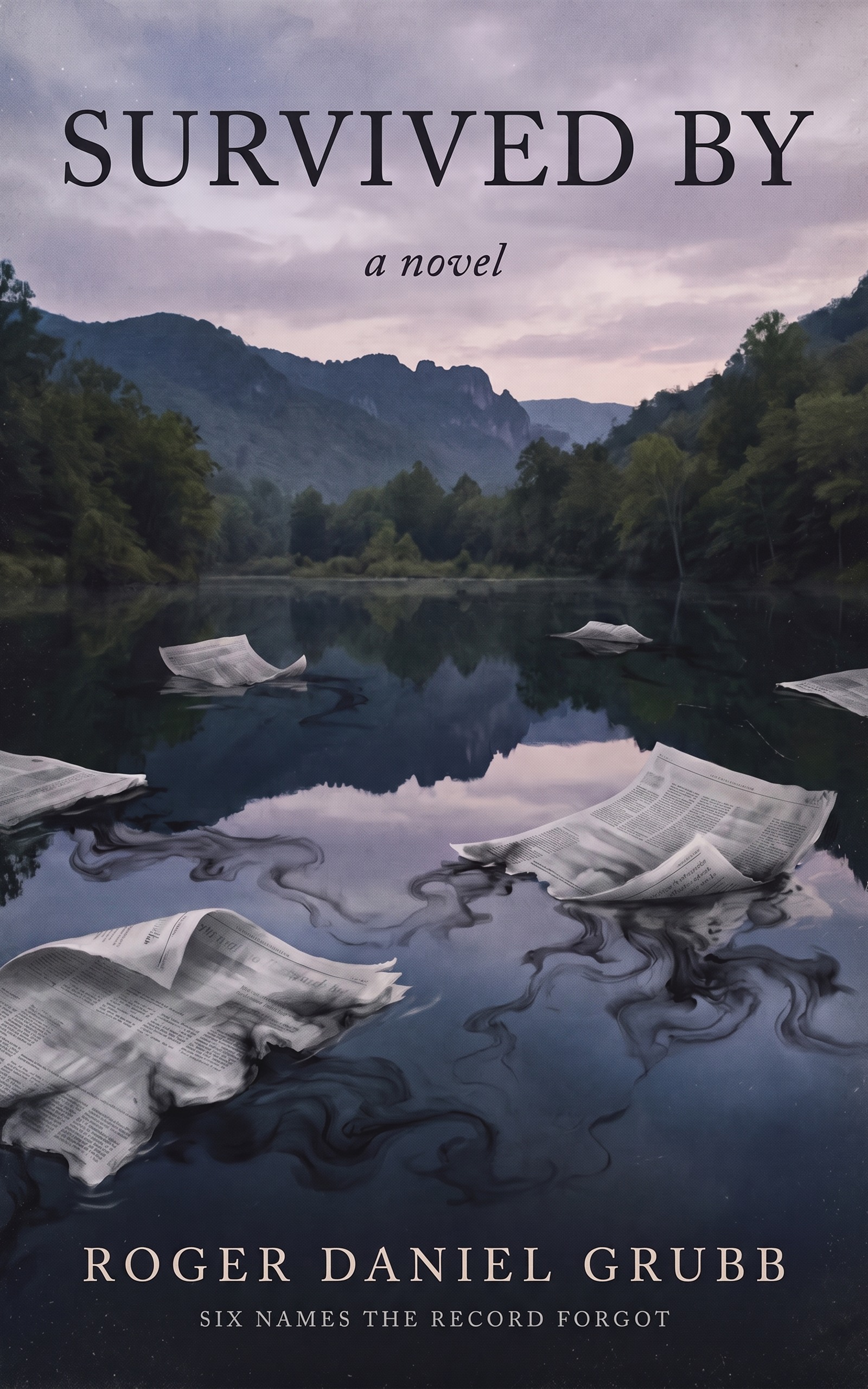
Survived By
Survived By
Roger Daniel Grubb · 🎧
Healthy Self-Regard
Healthy Self-Regard
Sage Morrison · 🎧
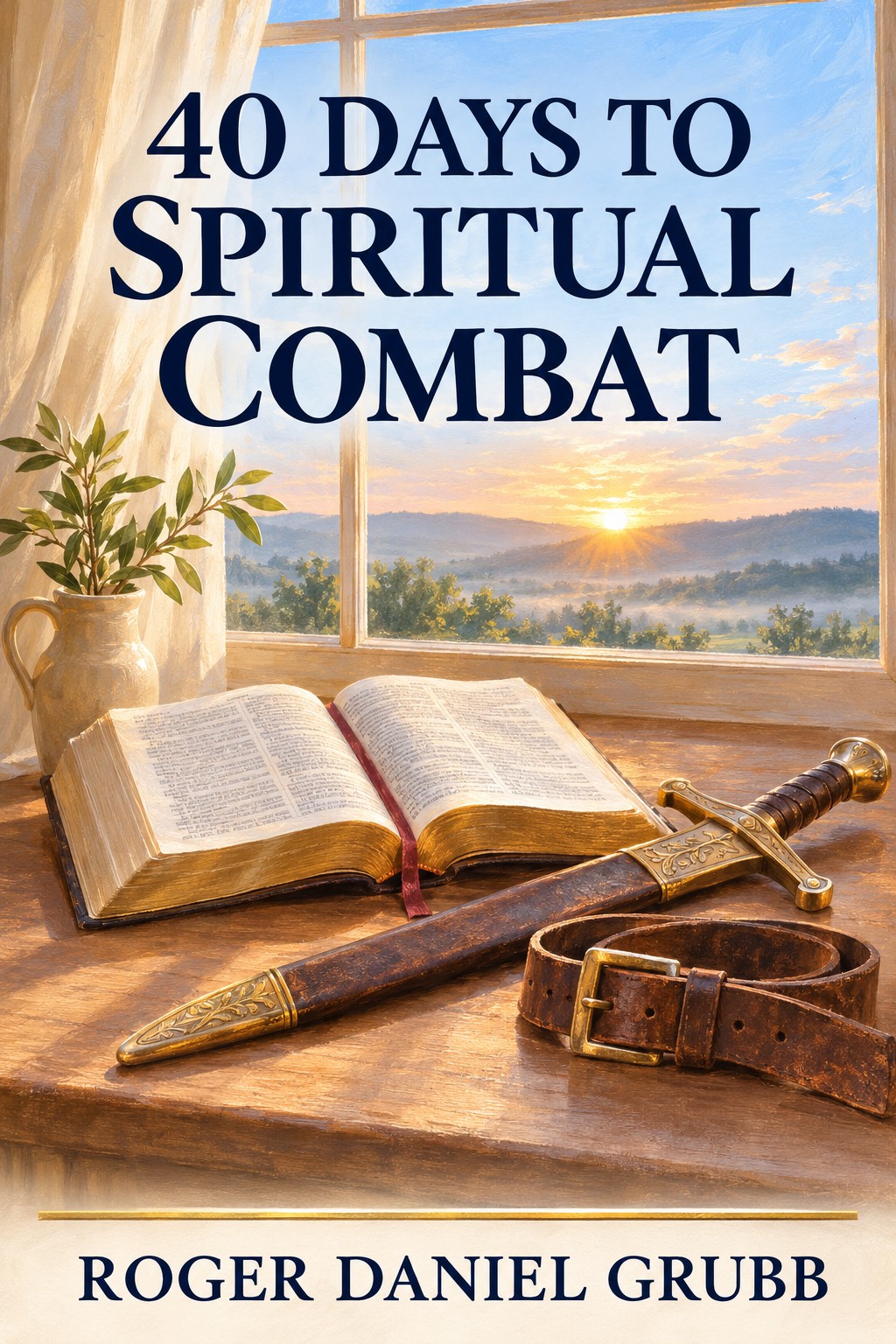
40 Days to Spiritual Combat
Roger Daniel Grubb · 🎧
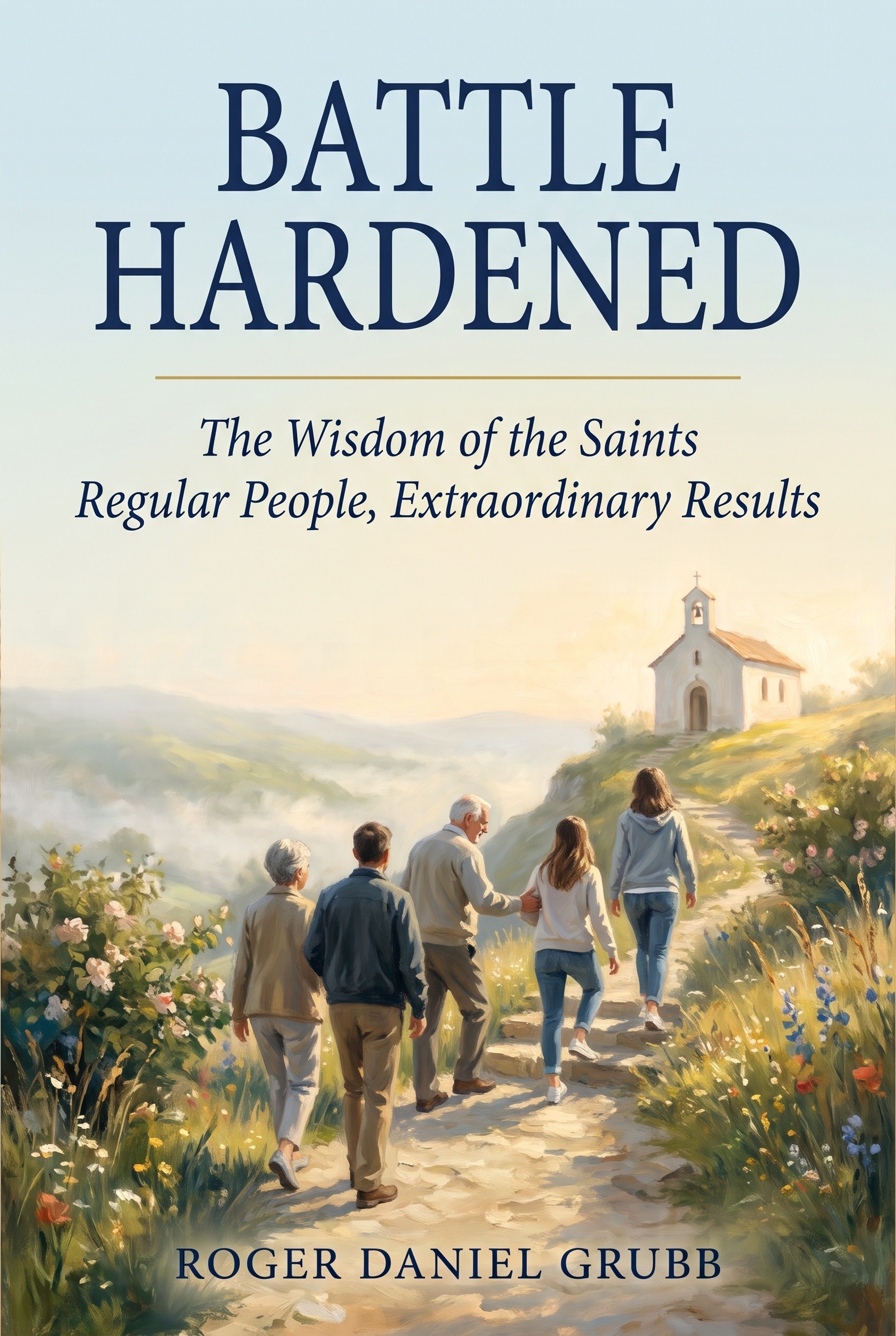
Battle Hardened: The Wisdom of the Saints
Roger Daniel Grubb · 🎧
Tell a friendXFacebookRedditWhatsAppEmail